A full calendar of bookings should translate into strong returns, yet many owners still notice uneven profits. Often, the cause isn’t obvious. As explained in this adventure-ready guest approach, creating a great stay experience matters, but behind the scenes, operational costs can quietly grow.
For vacation rental owners in Largo, utility drift is one of the most overlooked factors. It refers to the gradual increase in electricity, water, and other service costs that slowly chip away at income. These changes rarely stand out in a single bill, yet over time, they become a steady drain.
Key Takeaways
- Utility drift reflects small increases in energy and water use that build over time
- Seasonal demand in Largo raises overall consumption across every stay
- Guest behavior plays a major role in daily utility usage
- Aging systems and standby devices add to electricity costs
- Consistent tracking helps prevent long-term financial impact
How Guest Behavior Shapes Daily Usage
Largo vacation rentals experience frequent turnover, especially during peak travel seasons. Each guest's stay brings a fresh cycle of consumption that affects utilities.
Seasonal Traffic Drives Demand
Warm weather, beach access, and local attractions keep properties busy throughout the year. During these busy periods, air conditioning, lighting, and water systems operate almost continuously.
Guest Habits Influence Consumption
Short-term guests tend to use amenities more freely. Longer showers, extra laundry, and extended cooling periods all contribute to higher usage levels. These habits may seem minor, but they accumulate quickly across multiple bookings.
Remote Work and Extended Stays
Guests who work remotely rely on consistent internet, lighting, and climate control throughout the day. This leads to steady energy demand that lasts beyond typical vacation patterns.
Where Energy Quietly Builds Over Time
Energy use often increases without obvious signs. Even well-maintained homes can experience gradual shifts in consumption.
High-Use Features
Certain amenities naturally require more energy:
- Hot tubs that maintain temperature between stays
- Outdoor lighting that runs overnight
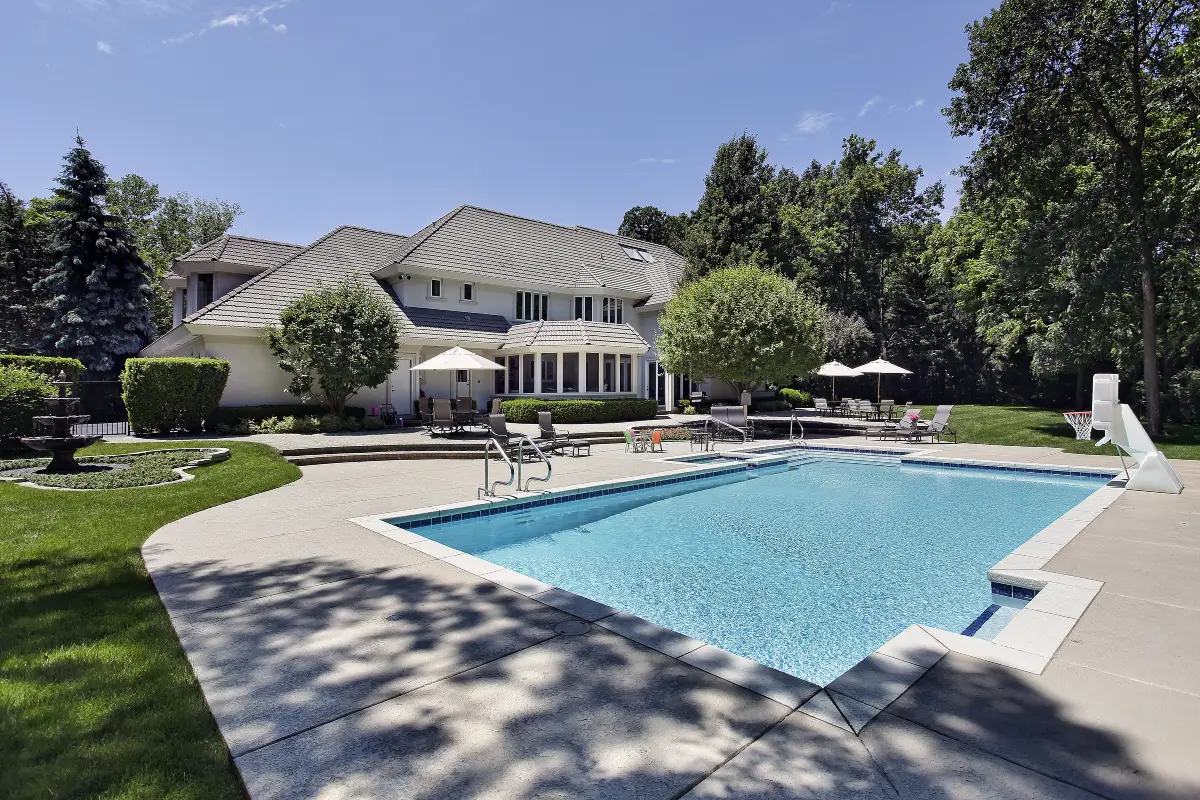
- Pool systems that operate daily
Always-On Systems
Smart locks, routers, and security cameras run continuously. While each device uses a small amount of power, their combined impact becomes noticeable over time.
Declining Efficiency
Appliances and HVAC systems lose efficiency as they age. Even when functioning properly, they often require more energy to perform the same tasks.
A recent report shows households spend about $4,168 on utility bills annually, which highlights how quickly costs can increase with even slight changes in usage.
Water Usage That Adds Up Fast
Water consumption in vacation rentals often rises faster than expected, especially with frequent turnovers.
Daily Consumption Patterns
On average, households use around 300 gallons of water per day. In short-term rentals, this number can climb due to guest habits and cleaning routines.
Turnover Cleaning Demands
Each checkout requires cleaning that relies heavily on water. Laundry, dishwashing, and sanitation all increase usage, especially during back-to-back bookings.
Outdoor Water Use
Largo properties often include outdoor showers, pools, or landscaping. These features add another layer of water consumption, particularly during warmer months.
Internet and Appliance Costs That Grow Quietly
Technology and appliances support guest comfort, yet they also contribute to rising operational costs.
Increasing Internet Needs
Guests expect fast connections for streaming and work. Upgrading service plans becomes necessary over time, raising monthly expenses.
Aging Appliances Use More Resources
Older refrigerators, washers, and water heaters often require more energy or water. Their performance may appear normal, but efficiency declines gradually.
Water Heater Demand
Frequent showers and laundry cycles put added strain on water heaters. This increases energy use as systems work harder to maintain consistent temperatures.
To balance guest satisfaction with cost control, this amenities and upgrades guide offers helpful insight into choosing the right features.
Practical Ways to Manage Utility Drift
Keeping costs under control requires steady attention and simple adjustments.
Track Usage Over Time
Review utility bills across multiple months to identify patterns. This helps reveal gradual increases that may otherwise go unnoticed.
Maintain Systems Regularly
Routine servicing keeps systems efficient. HVAC checks, plumbing inspections, and appliance maintenance all contribute to lower consumption.
Optimize Turnover Processes
Cleaning routines can be structured to reduce unnecessary water and energy use. Efficient processes prevent waste between bookings. You can see how cleanliness affects outcomes in this cleanliness impact guide.
Use Smart Technology
Programmable thermostats and energy-efficient lighting help reduce usage when properties are unoccupied.
Coordinate Property Oversight
Consistent management ensures systems are monitored and adjusted as needed. This keeps operations efficient while maintaining a high level of guest satisfaction.
Creating Efficiency Without Losing Comfort
Guests expect a comfortable stay, especially in a competitive market like Largo. Balancing comfort with efficiency is key.
Set Clear Guidelines
Simple instructions for thermostat use or water conservation can encourage responsible behavior without affecting the guest experience.
Upgrade Where It Matters
Energy-efficient appliances and LED lighting reduce long-term costs while maintaining performance.
Monitor Between Stays
Checking systems after each checkout helps ensure nothing is left running unnecessarily.
Keep Operations Consistent
Reliable management keeps everything running smoothly. Services like professional property support help maintain this consistency.
FAQs about Vacation Rentals Utility Drift in Largo, FL
What is utility drift in vacation rentals?
Utility drift refers to the gradual increase in energy, water, and service costs over time. These small increases often go unnoticed but can significantly impact overall rental profitability if not carefully monitored.
Why do short-term rentals use more utilities than long-term homes?
Short-term guests tend to use amenities more frequently, and frequent turnovers require repeated cleaning. This combination leads to higher overall consumption compared to long-term occupancy patterns.
How can I reduce energy usage without affecting guest comfort?
Using smart thermostats, energy-efficient appliances, and clear guest guidelines helps reduce energy use while still providing a comfortable and enjoyable experience for visitors.
Do older appliances really affect utility costs that much?
Yes, aging appliances often lose efficiency over time. Even if they still work, they may use more energy or water, which gradually increases operating expenses.
How often should I review my utility bills?
Reviewing bills every few months and comparing long-term trends helps identify patterns. This makes it easier to catch gradual increases before they significantly impact your income.
Quiet Costs, Stronger Control, Better Results
Rising operating costs often go unnoticed until they begin affecting your overall returns. Small increases in energy, water, and system usage can quietly shift your financial results if they aren’t managed consistently.
At PMI Clearwater, we focus on keeping every part of your vacation rental running efficiently. From routine maintenance to day-to-day oversight, our team works to keep expenses steady while supporting a smooth guest experience.
Move forward with confidence and unlock better rental performance through PMI Clearwater’s full-service vacation rental expertise.
